7 Expert Ways to Relieve Back Pain During Pregnancy (That Actually Work)
Up to 70% of expectant mothers experience backache . You're not alone. Back pain during pregnancy is a natural response to your body's changes. Weight gain of 25 to 35 pounds puts extra load on your spine and pelvic joints . Hormones relax your ligaments. Your body is working overtime. Remedies for back pain pregnancy don't have to be complicated or expensive. In this piece, we'll walk you through seven expert-backed methods to relieve back pain during pregnancy and help you feel more comfortable throughout your experience.
Practice Good Posture Throughout Your Pregnancy
Why Good Posture Matters Your growing belly moves your center of gravity forward and creates extra strain on your back. This causes it to curve inward [1]. Pregnancy hormones relax the ligaments in your pelvis to prepare for childbirth, which affects your posture and makes joints feel looser [1]. Good posture distributes weight across your body and reduces back pain. It improves balance and makes breathing easier [1].
How to Maintain Proper Posture Hold your head straight with your chin tucked in while standing. Your ear lobes should line up with your shoulders' middle [2]. Keep your shoulder blades back and chest forward. Your knees should be straight but not locked [2]. Point your feet in the same direction with weight balanced on both feet [2]. Rest one foot on a low stool if you stand for extended periods. Switch positions every five to 15 minutes [2]. Keep your back straight with shoulders back while sitting. Your buttocks should touch your chair's back [2]. Use a small rolled towel or lumbar support at the hollow of your back [2]. Keep your hips and knees at a 90-degree angle with feet flat on the floor [2].
Common Posture Mistakes to Avoid Don't sit or stand for more than 30 minutes without changing position [2]. Crossing your legs while sitting affects circulation [3]. Locking your knees or slumping forward at your desk should be avoided [4].
Choose the Right Gear and Supportive Footwear
Why Proper Footwear Matters Your feet undergo most important changes that affect back pain. Around 80% of pregnant women experience lower extremity swelling [5], while weight gain causes feet to flatten and lengthen [5]. Many women increase by about half a shoe size during pregnancy, with some needing a full size [5]. These changes create a chain reaction affecting your knees, hips and spine. Your feet may roll inward or outward too much when you walk in unsupportive shoes. This alters natural line up and places stress on your back [2]. High heels move your center of gravity forward and force your body to compensate. The curve in your lower back increases [2]. Flat shoes without arch support can worsen overpronation on the other hand and lead to plantar fasciitis [5].
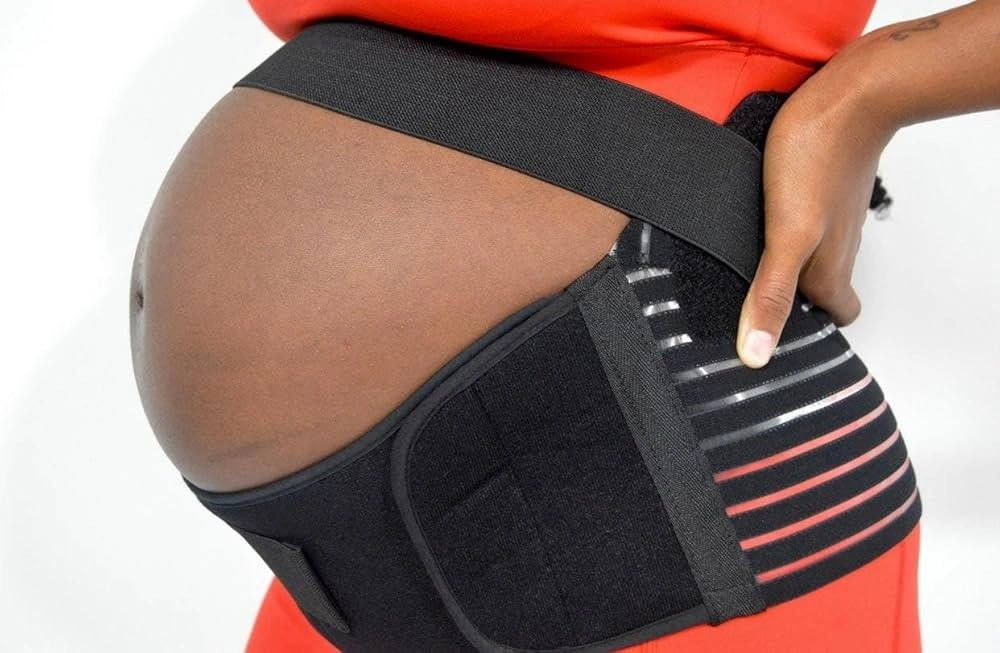
How to Choose the Right Gear Look to find low-heeled shoes with strong arch support [2]. Choose footwear with a wide toe box to accommodate spreading and swelling [5]. Opt for shoes with flexible, breathable uppers or adjustable straps [5]. Slip-on designs eliminate bending down as your pregnancy progresses [5]. Support belts help by taking some stomach weight off your back muscles [6]. Abdominal support garments distribute weight and ease stress on tired muscles [2].
Common Footwear Mistakes to Avoid Avoid flat shoes without cushioning [2]. Stay away from high heels and rigid materials that can't accommodate swelling [2]. Don't wear worn-out footwear lacking proper support [2].
Sleep on Your Side with Proper Support
Why Sleep Position Matters Research shows that sleeping on your back after 28 weeks increases stillbirth risk [1]. Six separate studies have confirmed this link [1]. Your baby and uterus compress the vena cava together, a major vein that carries blood back to your heart [7]. This compression reduces blood flow to your placenta and can cause dizziness, shortness of breath, and lower blood pressure [7]. Studies reveal babies are less active with altered heart-rate patterns when mothers lie on their backs [1]. Your left side provides the best blood flow to your uterus and baby [8]. This position increases nutrients reaching your placenta and reduces swelling in ankles and feet. It also takes pressure off your liver and kidneys [8].
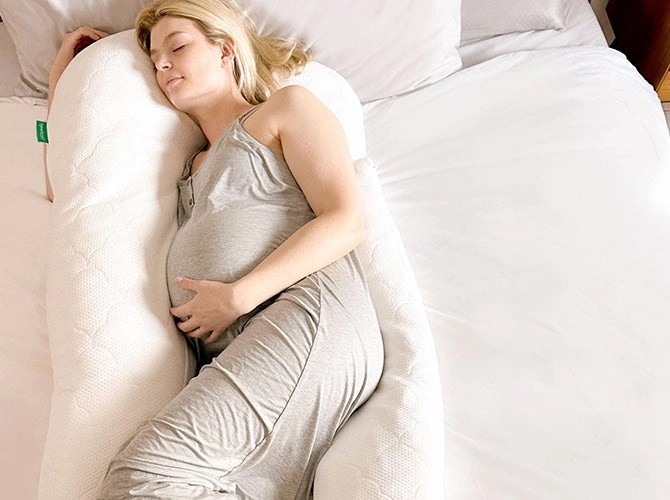
How to Sleep During Pregnancy You should position yourself on your left side with knees bent [9]. A pillow between your knees will arrange your hips and reduce lower back strain [3]. Tuck a small pillow under your belly to support your growing abdomen and prevent spine twisting [3]. A pillow behind your back will discourage rolling onto your back during sleep [1]. Pregnancy pillows provide full-body support. Survey data shows 65% of pregnant women use them [10]. U-shaped pillows provide maximum support for restless sleepers and those with hip pain or sciatica [11]. C-shaped pillows work best for back pain and full-body comfort [11].
Common Sleep Mistakes to Avoid You should avoid sleeping flat on your back, especially after 28 weeks [1]. Don't sleep without pillow support between your legs and under your belly [3]. Check your position when you wake during the night and return to side sleeping [1].
Exercise Safely and Consistently
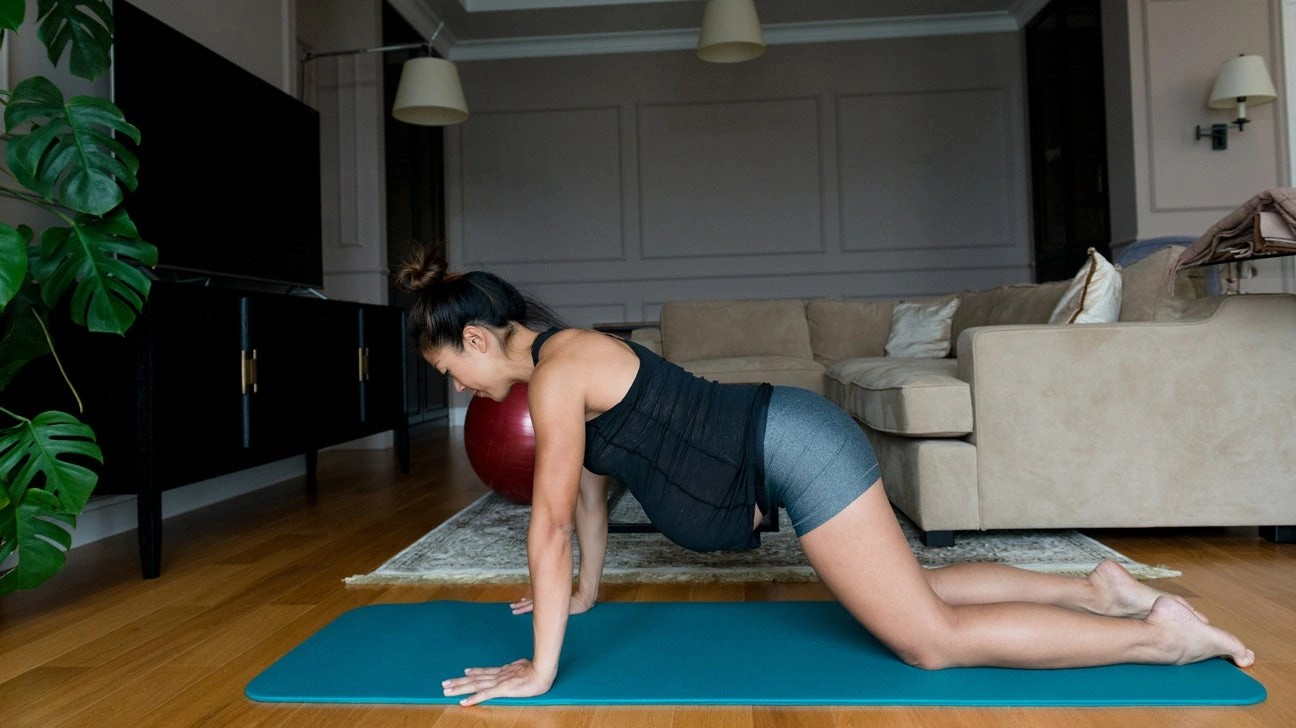
Why Exercise Matters Regular physical activity reduces back pain and eases constipation. It may decrease your risk of gestational diabetes, preeclampsia and cesarean birth [12]. Exercise improves sleep quality and maintains good circulation. It helps manage healthy weight gain and releases endorphins that provide a sense of wellbeing [5]. Routine exercise prepares muscles for childbirth and gives your baby a healthier start [5].
How to Exercise Safely During Pregnancy Try to get at least 30 minutes of moderate exercise most days of the week [5]. This adds up to 150 minutes of moderate-intensity aerobic activity weekly [12]. Walking, swimming, yoga, pelvic tilts, cat-cow stretches and squats are gentle options that work [5]. Once your first trimester ends, don't exercise while lying flat on your back. This position causes your uterus to compress the inferior vena cava and reduces blood flow to your heart [5]. Supportive shoes and even surfaces are essential [5]. Water before, during and after exercise prevents overheating [5]. You should be able to hold a conversation while exercising. Slow down if you become breathless [13].
Common Exercise Mistakes to Avoid Stop if you experience dizziness, shortness of breath, chest pain, vaginal bleeding or contractions [14]. Contact sports, activities with fall risks, scuba diving and exercising above 2,500 meters should be avoided [13]. Warming up and cooling down matter [15]. Don't push yourself to exhaustion or introduce new high-intensity workouts during pregnancy [14].
Use Proper Lifting Techniques
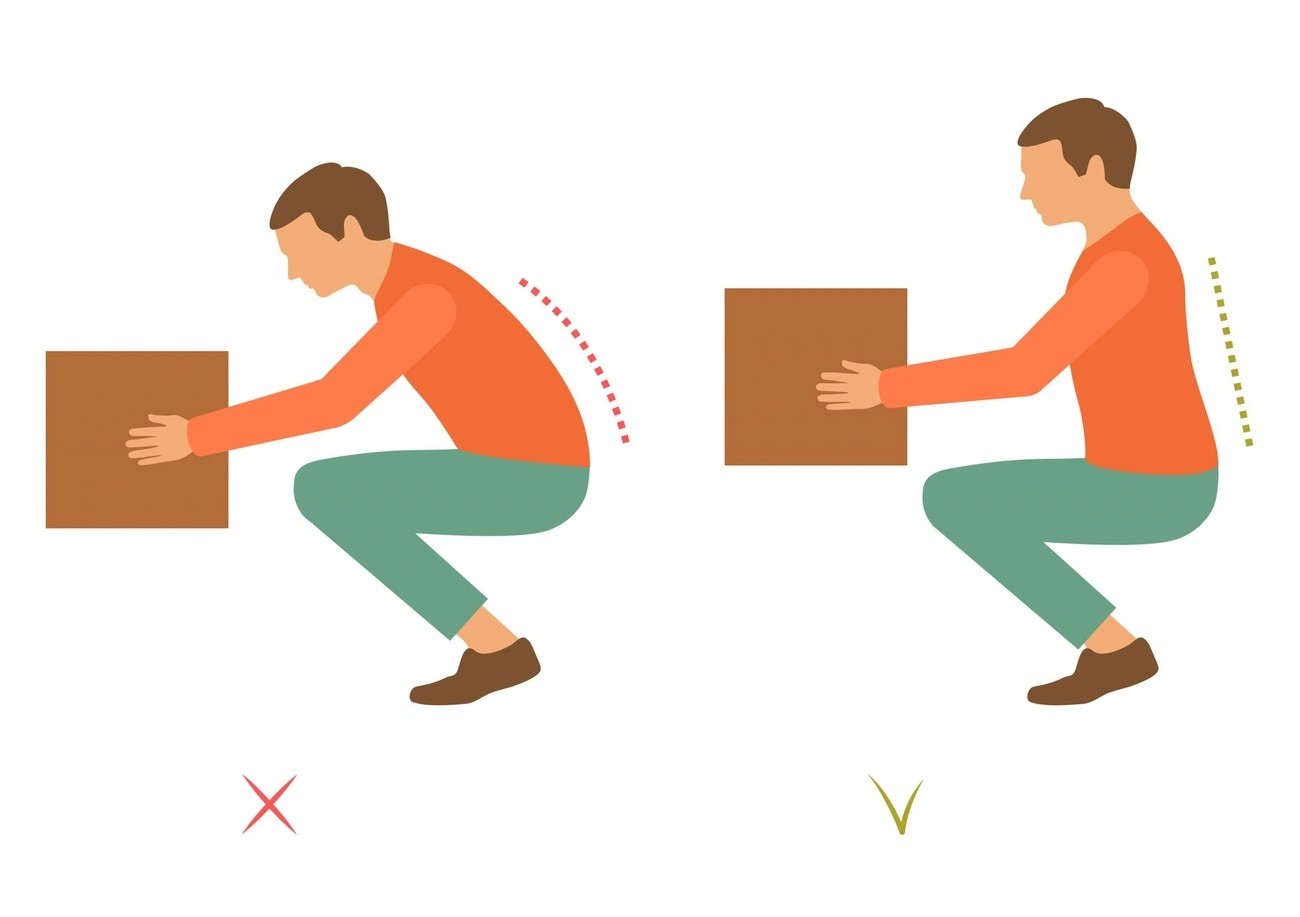
Why Proper Lifting Matters Your ligaments loosen during pregnancy. This reduces joint stability and makes injury more probable [16]. Your center of gravity changes forward as your belly grows. Extra pressure lands on your lower back and makes it vulnerable to strain [16]. This change also throws off your balance and increases fall risk, which could lead to preterm labor or premature placental separation [16]. Incorrect lifting can result in pulled muscles, hernias, low birth weight and preterm labor [17]. Objects over 44 pounds lifted more than 10 times daily create the highest risk of preterm birth [18]. Some research suggests frequent heavy lifting may increase miscarriage risk [16].
How to Lift Correctly During Pregnancy Squat down and bend at your knees, not your waist [17]. Keep your back straight and spine in proper arrangement throughout the movement [19]. The object should be between your knees. Tighten your pelvic floor muscles and lift with your leg muscles [6]. Hold items close to your body with arms bent [6]. Jerking motions should be avoided, and never twist while you lift [17]. Weight limits change as pregnancy progresses. Before 24 weeks, limit repetitive lifting to 51 pounds [20]. After 24 weeks, reduce constant lifting to 24 pounds maximum [20]. Lifting from below midshin or overhead should be avoided at any stage [21]. Common Lifting Mistakes to Avoid Don't bend forward at your waist with straight knees [6]. Holding your breath while you lift is dangerous [22]. Never twist your torso or make sudden movements [16].
Try Heat, Cold, and Massage Therapy
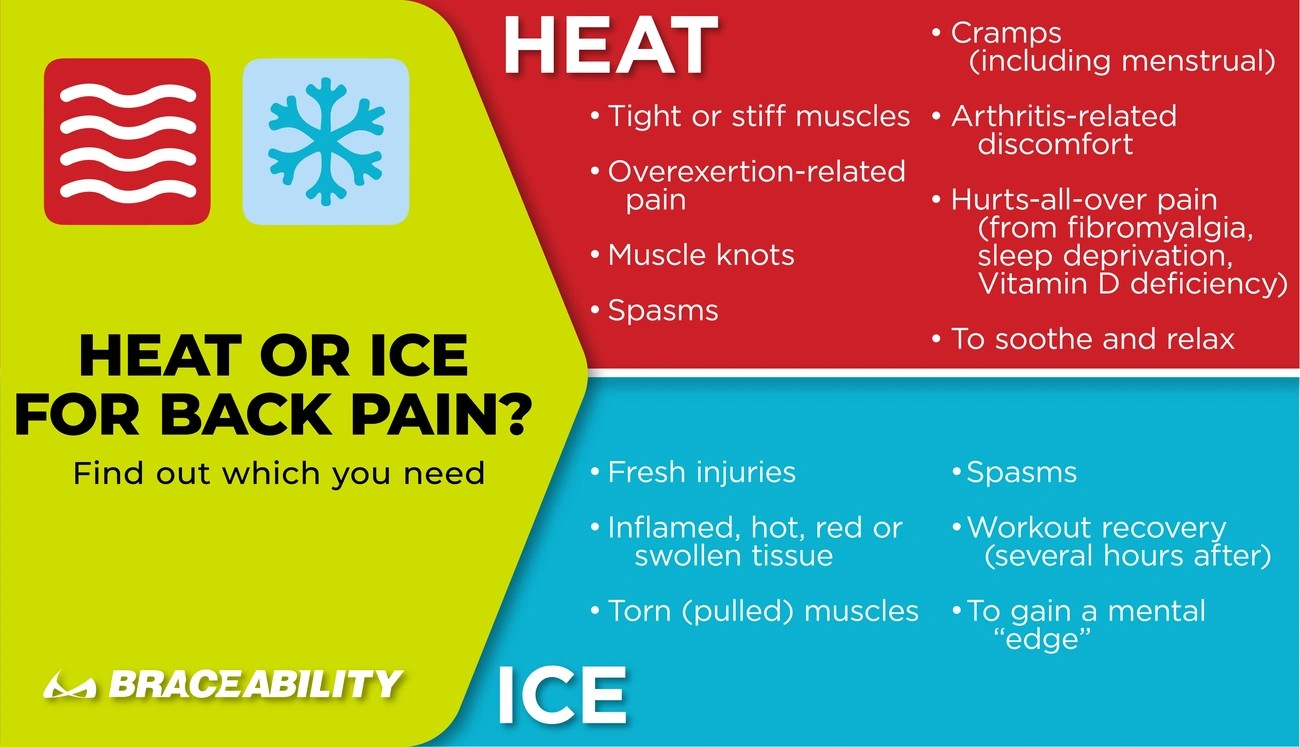
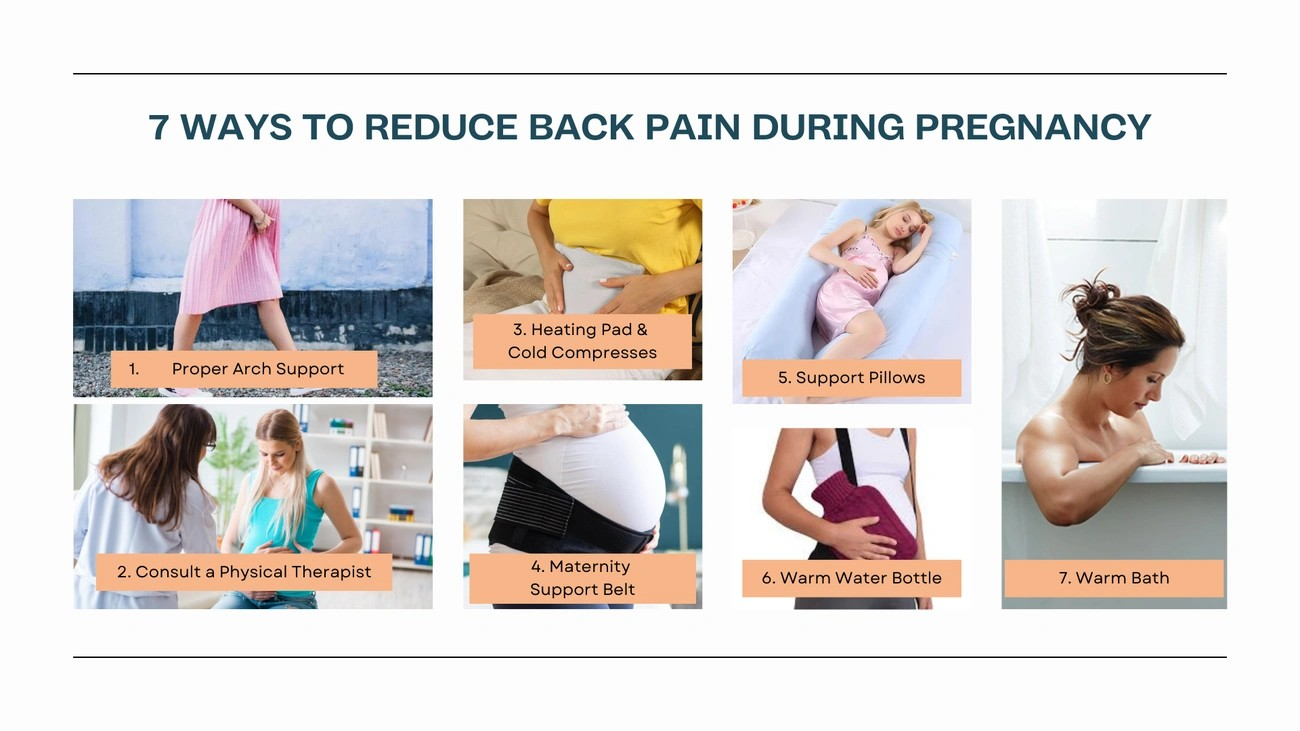
Why Heat and Cold Therapy Works Heat therapy opens blood vessels and increases blood flow. This brings fresh supplies of oxygen and nutrients [23]. The process helps reduce joint pain and eases soreness in muscles, tendons and ligaments [23]. Warmth increases your range of motion and decreases muscle spasms [23]. A heating pad can ease muscle stiffness [3]. Warm baths or showers loosen tight, painful muscles [24]. Cold packs work in a different way. They numb sharp pain and reduce swelling [3]. Massage relaxes you and helps with tight muscles [24]. This provides relief for back pain during pregnancy.
How to Apply Heat and Cold Safely Apply heating pads on the lowest setting. Keep sessions to 15 to 20 minutes maximum [24] [3]. Always place a towel between the hot or cold pack and your skin [3]. Wrap heating pads in a towel or use over clothing to prevent burns [2] [23]. Avoid falling asleep with an electric pad [2]. Safety guidelines say you should not apply heat directly to your belly [2] [25]. Use ice packs with a cloth barrier like you would with heat [26]. Warm baths and prenatal massage offer additional relief [24]. Common Application Mistakes to Avoid Sessions should not exceed 20 minutes [3] [2]. Avoid high temperature settings that could raise core body temperature [2]. Never use heating pads without a protective barrier or while sleeping [2]. Check your skin to see if it's irritated [3].
Consider Complementary Therapies
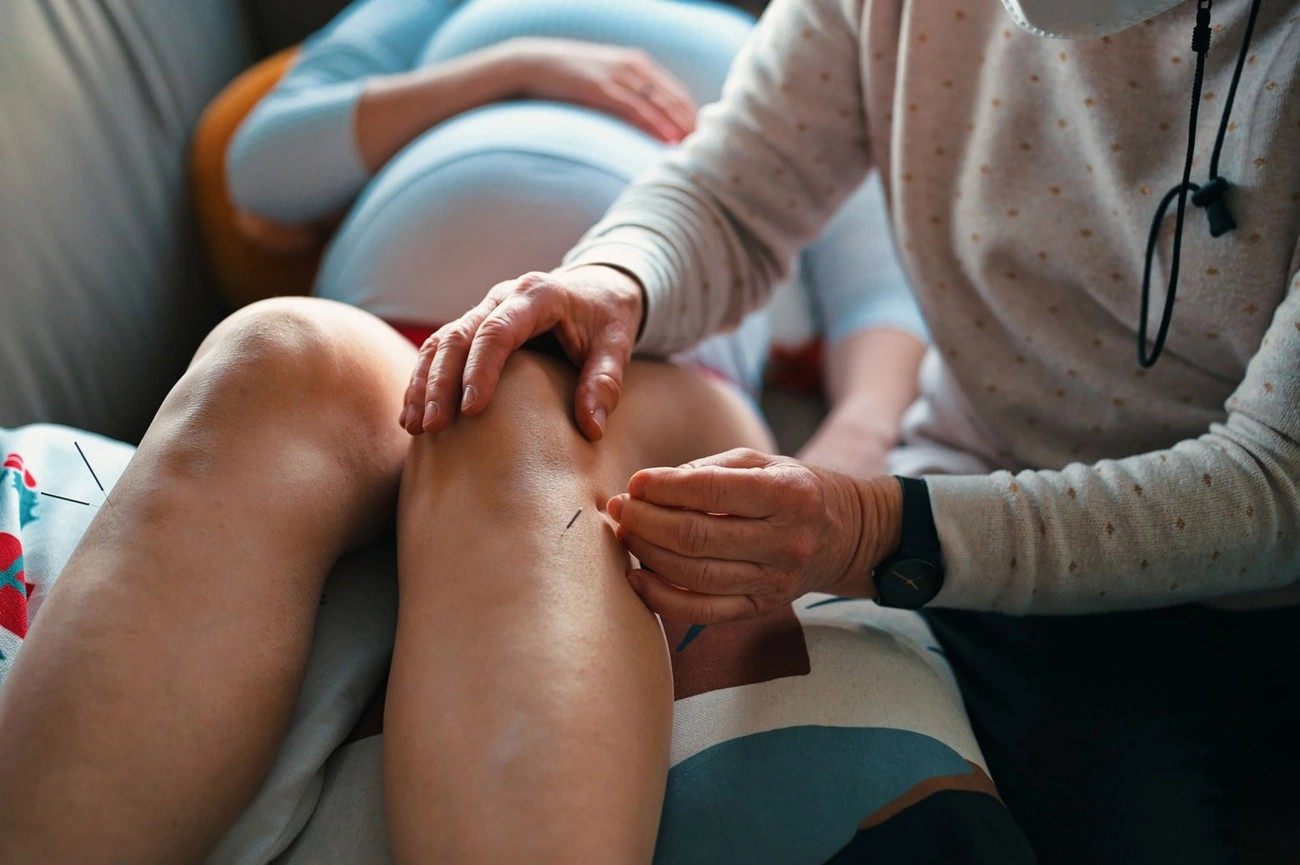
Why Complementary Therapies Work Complementary therapies work among standard medical care to support wellbeing during pregnancy. Acupuncture stimulates the body's pain-relieving opioid mechanisms. Studies comparing acupuncture to physical therapy show acupuncture's superiority for relieving pain and decreasing disability [7]. One trial found that 78% of patients in the acupuncture group experienced at least 50% pain reduction. Only 15% in the control group saw similar results [27]. Manual therapy influences spinal gating mechanisms and pain suppression systems. Osteopathic manipulative treatment reduces or stops the deterioration of back pain related functioning during the third trimester [7]. Water therapy provides benefits that reduce pain and lessen the need for sick leave in women with pregnancy-related low back pain [7].
How to Choose Safe Complementary Options Ask your doctor or midwife for recommendations before you start any complementary therapy [28]. Verify that acupuncturists avoid points that stimulate the cervix and uterus. These can induce labor [7]. Choose chiropractors who specialize in pregnancy care and use special cushions or tables that accommodate your belly [29]. TENS therapy is thought to be safe in all three trimesters [7] [28].
Common Therapy Mistakes to Avoid You should avoid acupuncture, acupressure and massage during the first trimester. These may stimulate uterine contractions [7]. Don't use complementary therapies as a substitute for standard prenatal care [30].
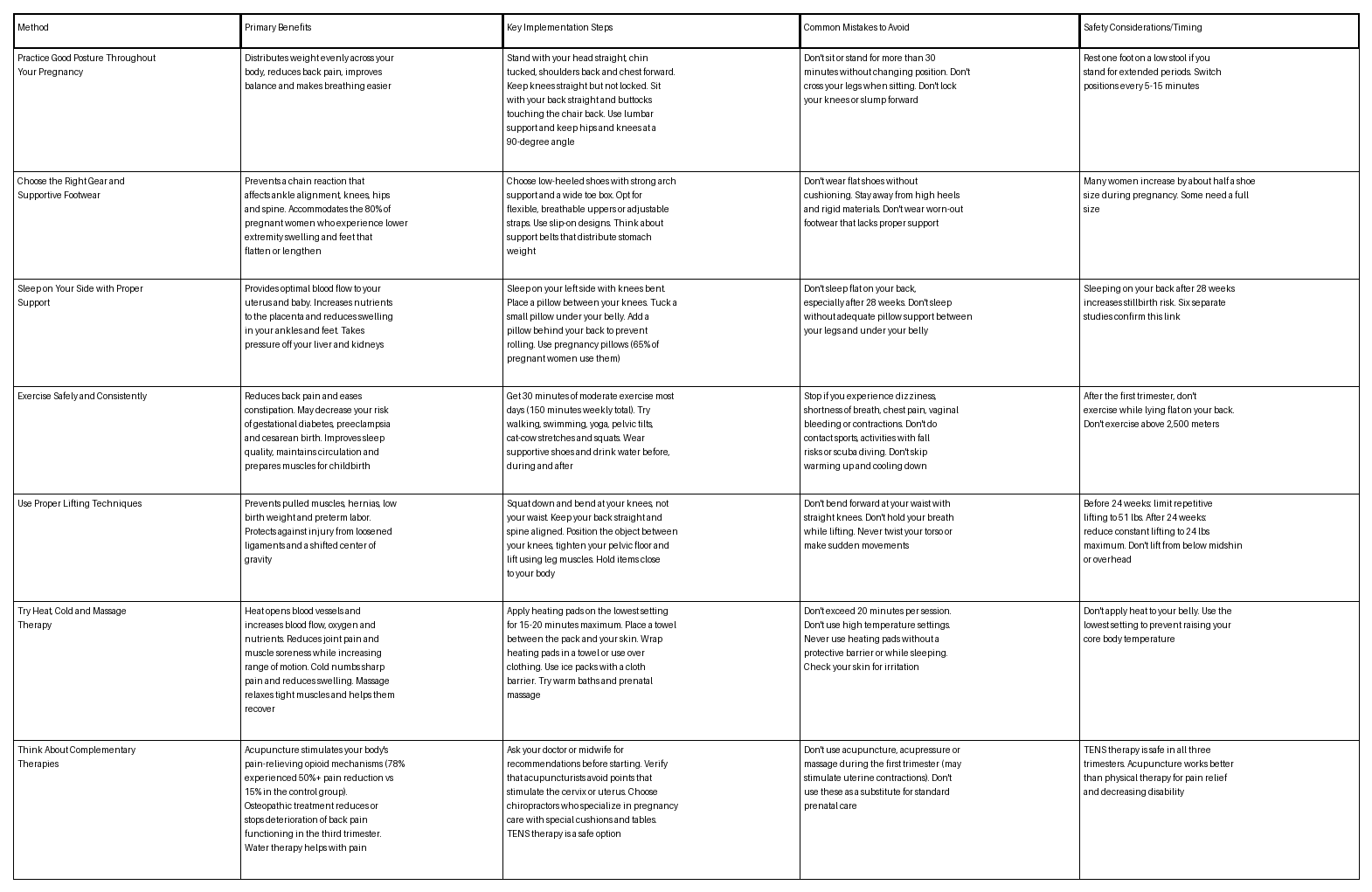
Comparison Table
Conclusion
You don't need to implement all seven methods at once. Pick one or two that feel most manageable, like adjusting your posture or adding a pregnancy pillow to your sleep routine. You'll find which techniques work best for your body. Your back pain is real, but relief is within reach. Your body will tell you what works, so consult your healthcare provider and note that taking care of yourself means taking care of your baby too.
FAQs
Q1. When does back pain typically begin during pregnancy? Lower back pain can start at any point during pregnancy, but it most commonly develops as your belly grows and your center of gravity shifts forward. The discomfort often becomes more noticeable in the second and third trimesters when weight gain of 25 to 35 pounds puts extra load on your spine and pelvic joints, and pregnancy hormones relax the ligaments in your pelvis. Q2. What are the most effective ways to relieve severe back pain while pregnant? The most effective approaches include practicing good posture throughout the day, sleeping on your left side with proper pillow support, exercising safely for at least 30 minutes most days, and using heat or cold therapy for 15-20 minutes at a time. Wearing supportive footwear with strong arch support and using proper lifting techniques can also significantly reduce back pain intensity. Q3. Is it normal to experience back pain during the second trimester? Yes, back pain during the second trimester is completely normal and affects up to 70% of expectant mothers. This occurs because your growing baby shifts your center of gravity forward, pregnancy hormones loosen your ligaments to prepare for childbirth, and the additional weight places extra strain on your spine and pelvic joints. Q4. Why is sleeping position so important for managing pregnancy back pain? Sleeping on your left side provides optimal blood flow to your uterus and baby while reducing pressure on your spine. After 28 weeks, sleeping on your back can compress the vena cava (a major vein), reducing blood flow to your placenta and potentially increasing stillbirth risk. Using pillows between your knees and under your belly helps align your hips and prevents spine twisting. Q5. Can exercise really help with pregnancy back pain, or will it make it worse? Exercise actually helps reduce back pain when done safely and consistently. Aim for 150 minutes of moderate-intensity activity weekly through gentle options like walking, swimming, yoga, and pelvic tilts. Regular physical activity strengthens the muscles supporting your spine, improves circulation, and releases endorphins that provide natural pain relief. Just avoid exercising flat on your back after the first trimester and stop if you experience dizziness, chest pain, or vaginal bleeding.
References
[1] - https://www.tommys.org/pregnancy-information/im-pregnant/sleep-side/sleep-position-pregnancy-qa [2] - https://www.babycenter.com/pregnancy/health-and-safety/is-it-safe-to-use-a-heating-pad-for-sore-muscles-during-preg_1245286 [3] - https://www.scripps.org/news_items/2936-how-to-relieve-back-pain-during-pregnancy-8-expert-tips [4] - https://www.mayoclinichealthsystem.org/hometown-health/speaking-of-health/pregnancy-back-pain-relief [5] - https://www.orthocarolina.com/blog/safe-exercises-to-combat-lowback--pelvic-pain-during-pregnancy [6] - https://my.clevelandclinic.org/health/articles/6913-pregnancy-correct-posture--body-mechanics [7] - https://pmc.ncbi.nlm.nih.gov/articles/PMC4584042/ [8] - https://americanpregnancy.org/pregnancy/sleeping-positions-while-pregnant/ [9] - https://www.sleepfoundation.org/pregnancy/pregnancy-sleep-positions [10] - https://www.thebump.com/a/best-pregnancy-pillows [11] - https://www.forbes.com/sites/forbes-personal-shopper/article/best-pregnancy-pillow/ [12] - https://www.acog.org/womens-health/faqs/exercise-during-pregnancy [13] - https://www.nhs.uk/pregnancy/keeping-well/exercise/ [14] - https://www.pregactive.com/blog/pregnancy-exercise-mistakes [15] - https://www.byrambaby.com/blog/post/9-biggest-pregnancy-exercise-mistakes [16] - https://www.babycenter.com/pregnancy/your-life/is-it-true-that-pregnant-women-shouldnt-carry-heavy-objects_10310767 [17] - https://americanpregnancy.org/pregnancy/lifting-pregnancy/ [18] - https://www.healthline.com/health/pregnancy/weight-lifting-while-pregnant [19] - https://www.bswhealth.com/blog/back-pain-during-pregnancy-6-tips-for-relief [20] - https://www.wikihow.com/Lift-Objects-When-Pregnant [21] - https://pmc.ncbi.nlm.nih.gov/articles/PMC4606868/ [22] - https://www.tommys.org/pregnancy-information/im-pregnant/exercise-in-pregnancy/strength-training-pregnancy [23] - https://www.healthline.com/health/pregnancy/heating-pad-while-pregnant [24] - https://my.clevelandclinic.org/health/symptoms/back-pain-during-pregnancy [25] - https://www.tommys.org/pregnancy-information/im-pregnant/ask-a-midwife/how-can-i-reduce-irritable-back-pain [26] - https://myhealth.alberta.ca/Health/pages/conditions.aspx?hwid=abo3489 [27] - https://pubmed.ncbi.nlm.nih.gov/15253580/ [28] - https://www.pregnancybirthbaby.org.au/complementary-therapy-during-pregnancy [29] - https://www.webmd.com/baby/features/chiropractic-during-pregnancy [30] -https://www.uchealth.org/location/wp-content/uploads/sites/4/2016/12/INT-TCFIM-Acupuncture-Chiro-Massage-Prenatal.pdf