COMMON CONDITIONS
Whether it's pain in your neck or tingling in your toes, our welcoming staff is accustomed to working with a diverse array of patients. We'll work with you to diagnose the problem and reach a plan of treatment.
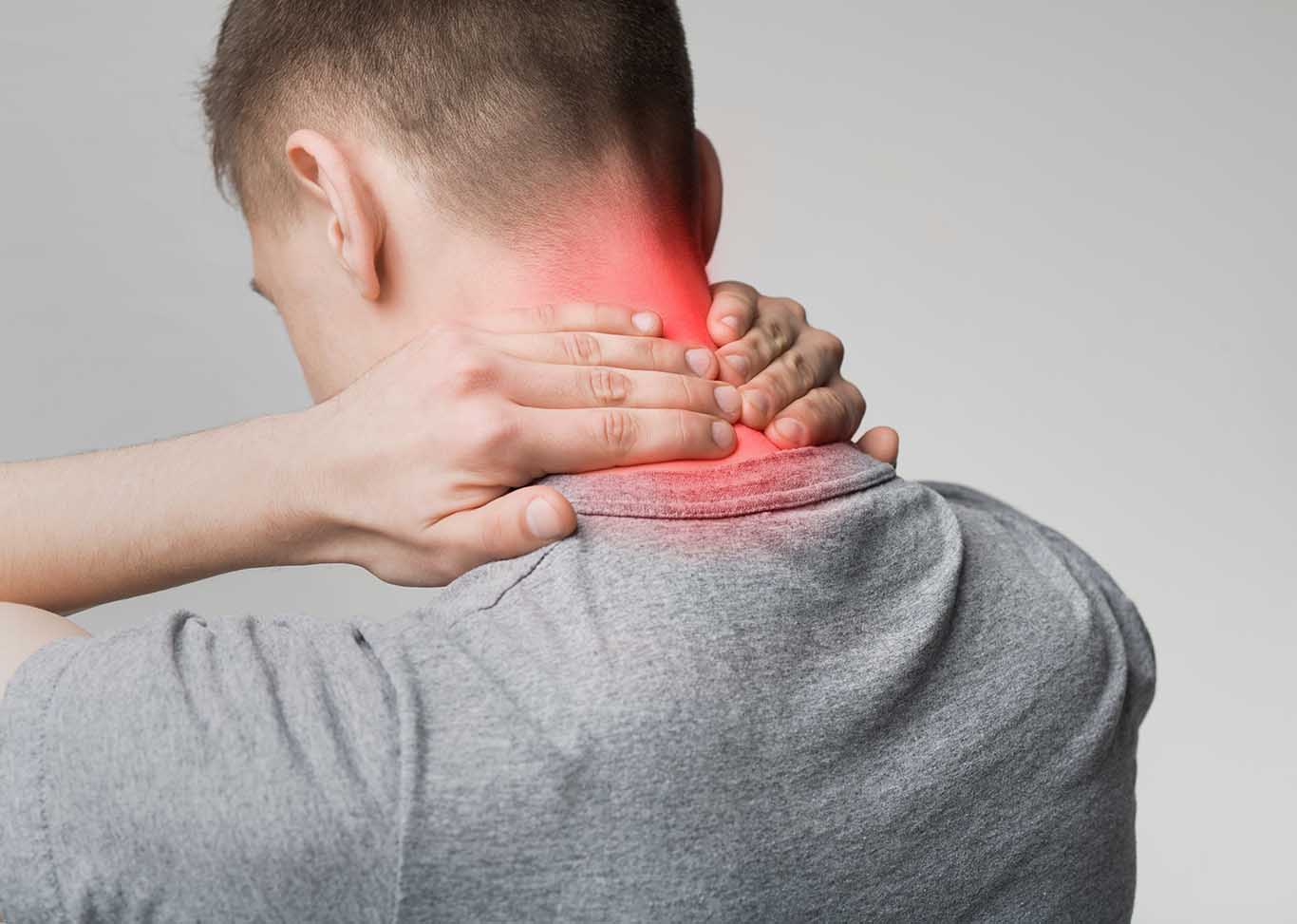
NECK PAIN
Most neck pain originates from minor issues, such as muscle strain due to poor posture or sleeping in an uncomfortable position, and resolves without treatment or with modest lifestyle changes. However, certain signs and symptoms are indicators that there is likely a more serious underlying problem.
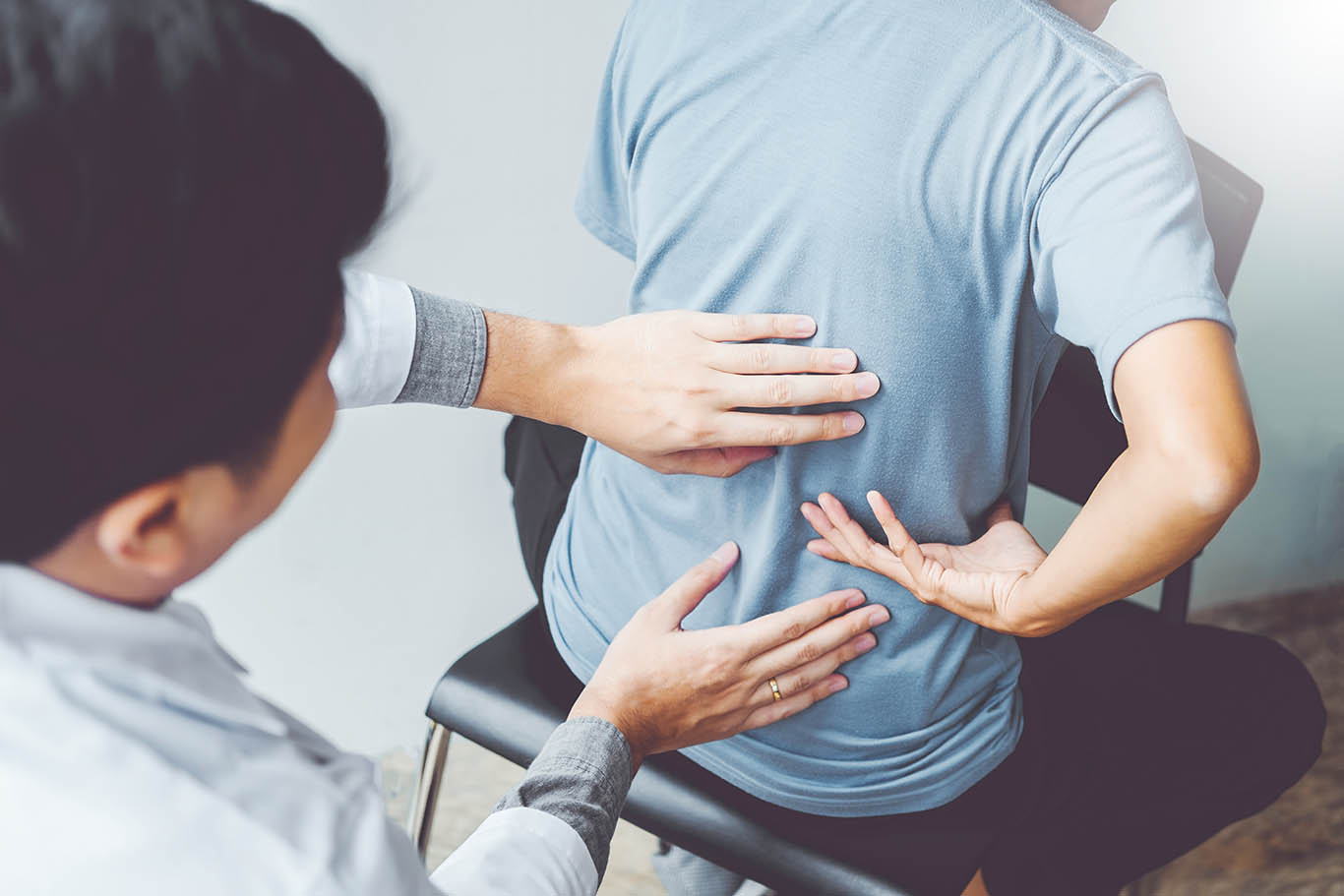
BACK PAIN
Lower back pain can develop from a number of sources. Often, it occurs due to mechanical issues concerning the muscles, bones, ligaments, or tendons in your back. In other cases the pain may be neurological in nature, and might require tests or detailed imaging to properly diagnose.

HERNIATED DISC
Degenerative diseases and physical trauma, such as injury after a car accident, can rupture the disks and cause the soft, gelatinous center to leak out – this is known as a herniation. A herniated disc can then press on a nerve, leading to pain and other symptoms.

RADICULOPATHY
Radiculopathy, more commonly known as a “pinched nerve,” is a condition in which the nerve roots of the spinal column become damaged or disturbed. This can occur anywhere in the spine, but most commonly occurs in the cervical spine and lumbar spine

SCIATICA
Sciatica is pain related to the sciatic nerve, which is a thick nerve that runs from the lower back and forks into both legs and feet. Sciatica is often described as a stabbing, shooting, or shocking pain that radiates from the lower back down the leg, usually on a single side of the body.
OSTEOPOROSIS
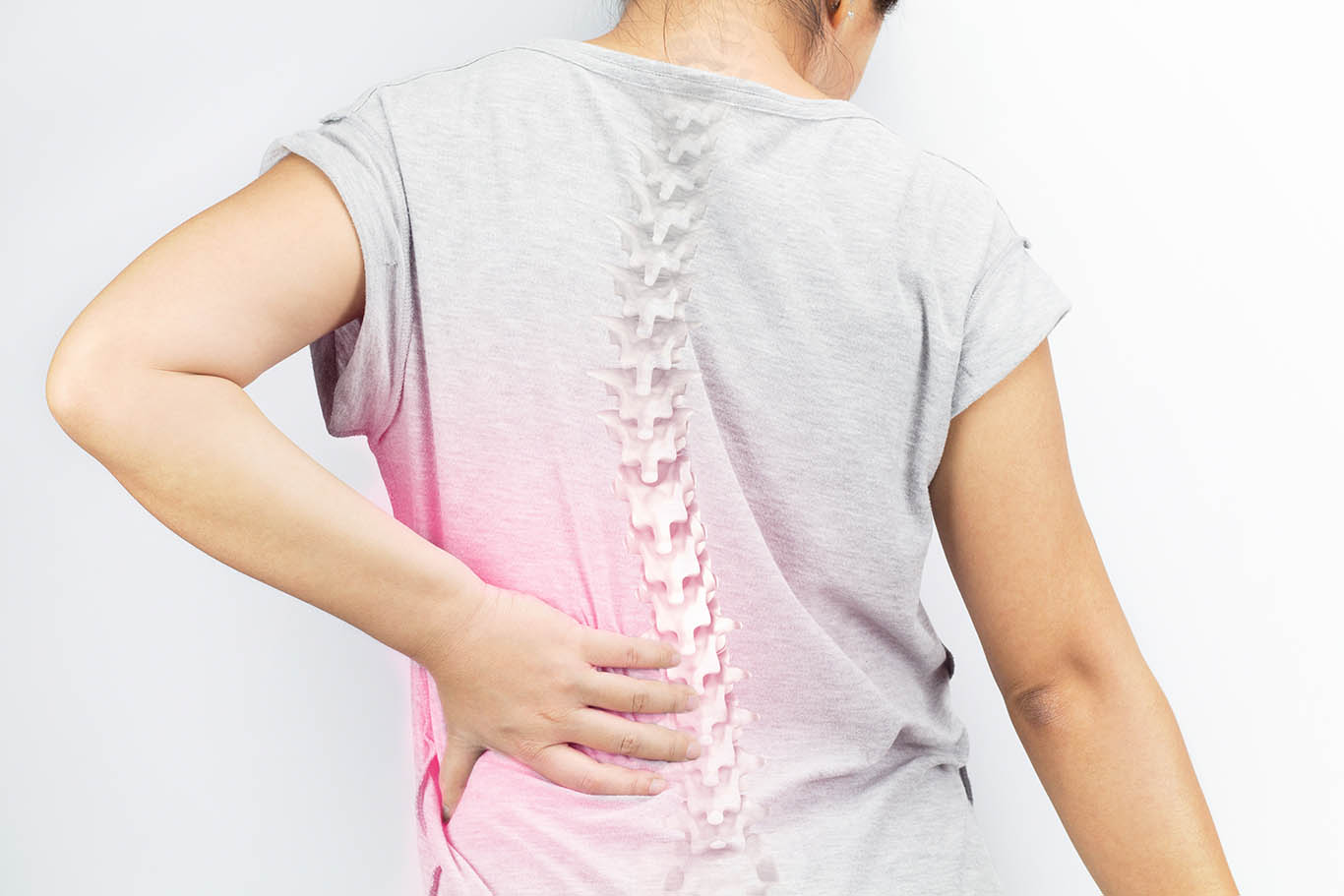
Osteoporosis is a disease that occurs when the body is unable to replenish bone as quickly as it is broken down, decreasing bone density and causing them to become weak and brittle. The bones may become so brittle that they fracture or even break easily. This can lead to back pain, a loss of height, or a hunched posture.
SPONDYLOLISTHESIS
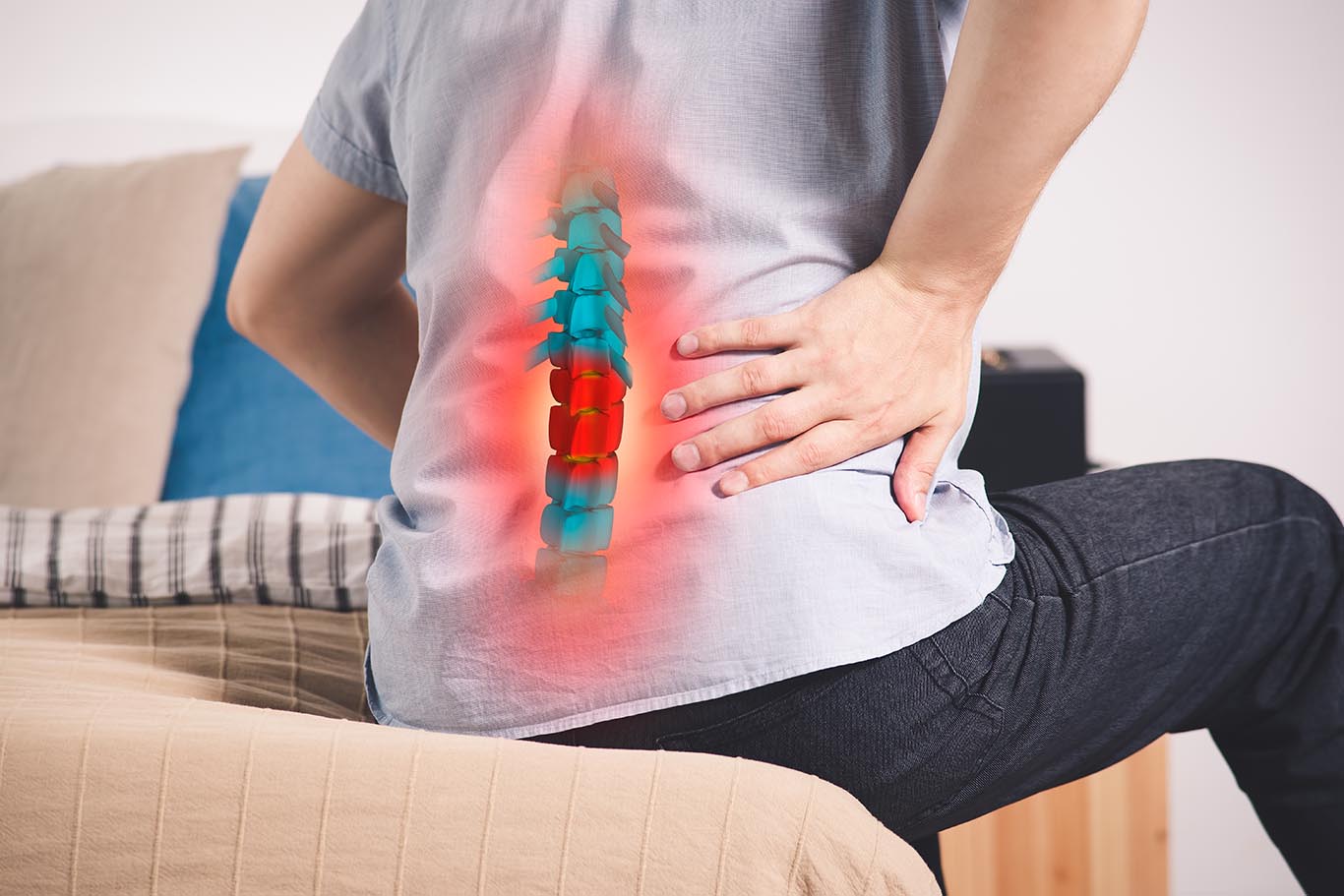
Spondylolisthesis is a condition in which a vertebra slips out of alignment with the rest of the spinal cord, leading to spinal instability. The slipped vertebra may put pressure on the disc or bone below it, but the condition does not always lead to symptoms and it is possible to live unaware of it for years.
SPINAL STENOSIS
Spinal stenosis is a condition in which the spinal canal, which contains the spinal cord, narrows. Injury-induced trauma can also be associated with stenosis. If the canal is compressed, the nerves of the spinal cord may be pinched, resulting in pain and other symptoms.
SPINAL CORD TUMOR
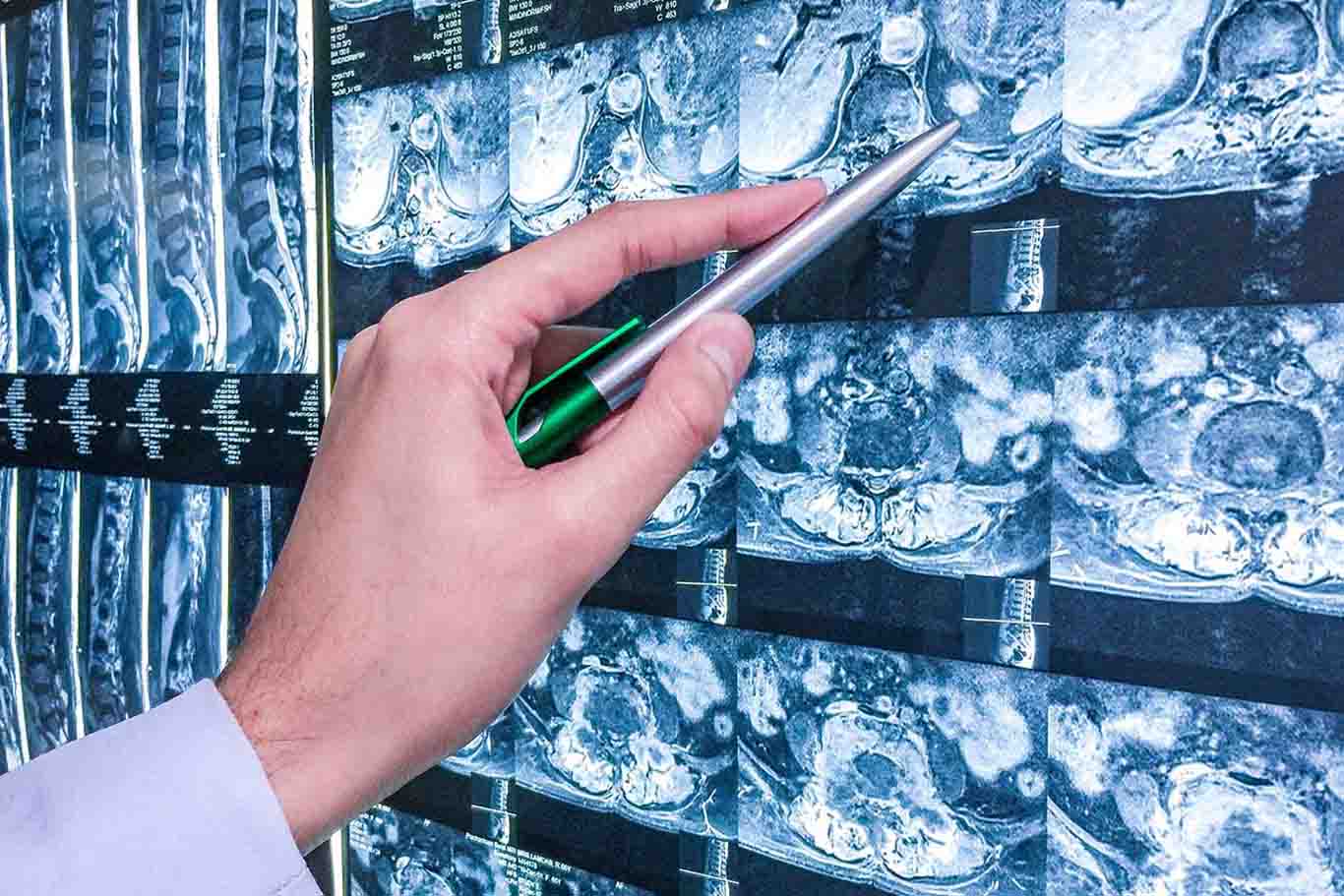
A spinal cord tumor refers to a growth that occurs in the cells of the spinal cord itself or the surrounding network including the meninges, vertebrae, and nerve roots. Spinal cord tumors are classified by where they occur, and their locations are related to their effects on the body, including any symptoms.